Affiliate marketing has become one of those online money-making ideas that sounds almost too simple at first—promote a product, share a link, and earn a commission when someone buys. But once you dig in, you realize it’s less about “quick cash” and more about building trust, understanding an audience, and consistently showing up with useful recommendations.
If you’ve ever watched a YouTuber recommend a gadget or read a blog post comparing hosting platforms, you’ve already seen affiliate marketing in action. The creator isn’t just talking for fun—they’re often earning a cut when you click and buy. And no, you don’t need to be famous or have millions of followers to start. Plenty of beginners quietly build solid income streams from scratch.
Let’s break it down in a practical, no-fluff way.
What Affiliate Marketing Actually Means (In Plain English)
Affiliate marketing is basically referral marketing on the internet.
You recommend a product or service using a special tracking link. If someone clicks that link and makes a purchase (or sometimes signs up), you earn a commission.
Think of it like this: you’re the friend who always suggests good movies, except now you’re getting paid when people follow your recommendation and go watch them.
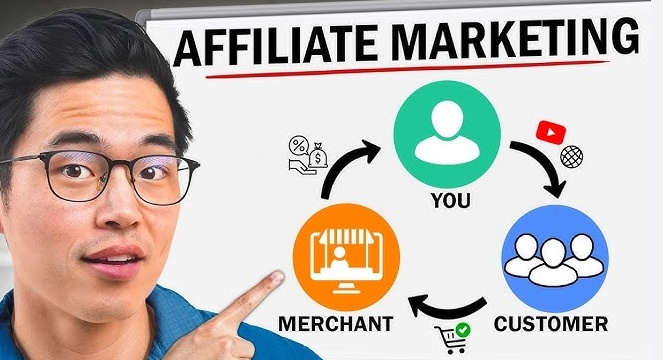
There are usually three main players:
- The merchant (the company selling the product)
- The affiliate (you, the promoter)
- The customer (the person buying)
The merchant handles the product, delivery, and customer service. You focus on driving attention and trust.
Simple in concept, powerful in execution.
Why Affiliate Marketing Is So Popular
The appeal is obvious: low startup cost and no need to create your own product. You don’t deal with shipping, inventory, or customer complaints. Your job is marketing.
But here’s the honest part most beginners miss: it’s not instant money. The people who succeed treat it like building a small media business. They create content that solves problems, answers questions, or helps people decide what to buy.
For example:
- A blog reviewing “best budget laptops for students”
- A TikTok page comparing kitchen gadgets
- A YouTube channel testing software tools
All of these can quietly generate income through affiliate links over time.
How Beginners Actually Get Started
You don’t need anything fancy to begin. A simple structure works:
1. Pick a niche
Don’t try to promote everything. Focus on one area like:
- Fitness and weight loss
- Tech gadgets
- Personal finance
- Beauty and skincare
- Online tools and software
A focused niche helps you attract a specific audience, which makes your recommendations more believable.
2. Choose a platform
You need a place to publish content:
- A blog (WordPress or similar)
- YouTube channel
- TikTok or Instagram page
- Even email newsletters
Beginners often start with TikTok or blogging because they’re easier to set up.
3. Join affiliate programs
This is where you get your tracking links.
We’ll go through some solid platforms shortly.
4. Create helpful content
This is the real work. You’re not just posting links—you’re solving problems.
For example:
Instead of saying “Buy this blender,” you say:
“Here are 5 blenders that actually crush ice smoothly without burning the motor.”
That shift changes everything.
Websites You Can Make Money From Right Now
Let’s talk about real affiliate platforms you can join today. These are trusted networks that connect you with thousands of brands.
1. Amazon Associates
Amazon is usually the first stop for beginners—and for good reason. Almost everything is sold there, from books to electronics to home appliances.
Why it works well:
- People already trust Amazon
- Huge product selection
- Easy approval process
Downside:
Commission rates can be low compared to other programs.
Still, the conversion rate is strong because people already intend to buy when they click.
A simple example: a blog post titled “Best affordable kitchen gadgets for small apartments” can generate steady commissions if it ranks on search engines.
2. ClickBank
ClickBank is famous for digital products like online courses, fitness programs, and ebooks.
Why beginners like it:
- High commission rates (sometimes 50%–75%)
- Easy signup
- Lots of digital products that sell worldwide
But be careful: not all products are high quality. You need to be selective and promote things you’d actually stand behind.
For example, a “weight loss program for busy professionals” might convert well if paired with honest content and real insights.
3. ShareASale
ShareASale connects you with thousands of small and mid-sized brands across different industries.
Why it stands out:
- Wide variety of niches
- Reliable tracking system
- Many niche-specific brands (fashion, software, home goods)
It’s especially useful if you want to go beyond Amazon and promote more specialized products.
4. CJ Affiliate (Commission Junction)
CJ Affiliate is one of the older and more established networks. Big brands use it, including finance, travel, and tech companies.
Good for:
- Experienced beginners ready to scale
- Higher-ticket products
- More professional partnerships
It can feel a bit technical at first, but it becomes powerful once you understand it.
5. Impact
Impact is modern, clean, and widely used by SaaS companies and subscription-based services.
Why people like it:
- Strong dashboard and analytics
- Access to well-known tech brands
- Good for recurring commissions
If you’re interested in software reviews or online tools (like email marketing platforms or hosting services), this is a strong choice.
6. Rakuten Advertising
Rakuten works with premium global brands and is especially strong in retail and fashion.
Key benefit:
You can partner with recognizable companies, which helps build trust quickly with your audience.
7. Digistore24
Digistore24 focuses heavily on digital products, similar to ClickBank but with a more modern system.
Why it’s beginner-friendly:
- Instant approval in many cases
- High commissions
- Easy link generation
It’s popular among marketers promoting online courses and tools.
What Actually Makes Affiliate Marketing Work (Not Just Exist)
Here’s the truth most beginners learn the hard way: affiliate marketing is not about links—it’s about trust.
People don’t click because you posted a link. They click because they believe your opinion is useful.
So instead of thinking:
“How do I sell this?”
Think:
“How do I help someone make a better decision?”
That shift changes your content completely.
For example:
Instead of listing random products, compare them:
- “This is better for beginners”
- “This one is more expensive but lasts longer”
- “This option is best for tight budgets”
That kind of guidance feels human—and it converts better.
Common Mistakes Beginners Make
A few things consistently hold people back:
1. Promoting too many things at once
If everything is “the best,” nothing feels trustworthy.
2. Ignoring content quality
Spammy posts rarely last. Platforms and audiences both filter them out.
3. Expecting fast results
Affiliate income grows slowly at first, then compounds.
4. Choosing the wrong niche
If you don’t care about the topic, you’ll burn out quickly.
A Simple Real-World Example
Imagine someone starts a small blog called “Smart Budget Living.”
They write:
- “Best cheap kitchen tools for beginners”
- “How to save money on groceries without stress”
- “Top 5 affordable fitness gadgets at home”
Each article includes affiliate links to Amazon or ShareASale products.
At first, maybe only 10 people visit per day. But over time, as articles rank on Google or get shared, those small clicks turn into consistent commissions.
That’s the model. Slow start, steady growth, compounding results.
Conclusion
Affiliate marketing isn’t a magic shortcut, but it is one of the most accessible ways to start earning online without creating your own product. The key difference between those who succeed and those who quit usually comes down to patience and content quality.
Start simple: pick a niche you don’t hate, join one or two affiliate platforms like Amazon Associates or ClickBank, and focus on creating genuinely helpful content. Not sales pitches—helpful content.
Over time, you’ll notice something interesting: the content you publish starts working for you in the background, even when you’re not actively promoting anything.
That’s the real power of affiliate marketing—not quick wins, but scalable, long-term income built on trust and consistency.